Introduction
For many of us, coffee isn’t just a beverage—it’s part of the daily routine, a moment of comfort, or simply the fuel that gets us through the morning. Yet not everyone has access to a full-sized coffee maker, and not everyone wants one. Whether you’re living in a dorm room, traveling frequently, working in a small office space, or managing an RV setup, the coffee landscape looks quite different from a traditional kitchen.
The market for personal coffee brewing solutions has expanded significantly over the past decade. Among the options available, compact single-serve coffee makers have emerged as a practical choice for people with specific lifestyle needs. These devices occupy minimal counter space while still delivering a reasonable cup of coffee without the commitment of brewing a full pot.
The Tastyle Mini Single Serve Hot and Iced Coffee Maker represents one approach to this category. Understanding what it offers, how it works, and whether it aligns with your particular situation requires looking beyond marketing language to focus on practical functionality and real-world application.
This guide explores the features, capabilities, and considerations surrounding this type of compact brewing device. Whether you’re evaluating this specific model or simply curious about portable coffee makers in general, the following information should help you make a more informed decision.
Understanding the Compact Coffee Maker Category
Before diving into specifics, it’s worth understanding where this product sits within the broader landscape of coffee brewing options. Single-serve coffee makers occupy a middle ground between instant coffee and traditional drip brewers. They’re designed to produce individual cups quickly, with minimal setup and cleanup.
The rise of pod-based brewing systems in the 2000s created a significant market segment. What followed was a wave of innovation aimed at making these systems smaller, more portable, and suitable for different living situations. Compact versions appeal to people who want the convenience of single-serve brewing without the footprint of standard countertop models.
These devices typically accommodate two types of coffee: pre-packaged pods (often K-cup compatible) and ground coffee. This dual functionality expands their usefulness, allowing people to choose based on convenience, cost, preference, or availability.
Key Features of the Tastyle Mini Single Serve Coffee Maker
Dual Brewing Capability
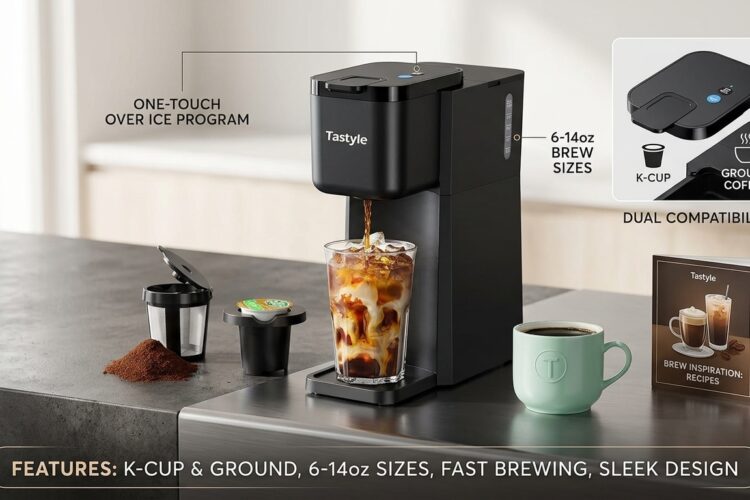
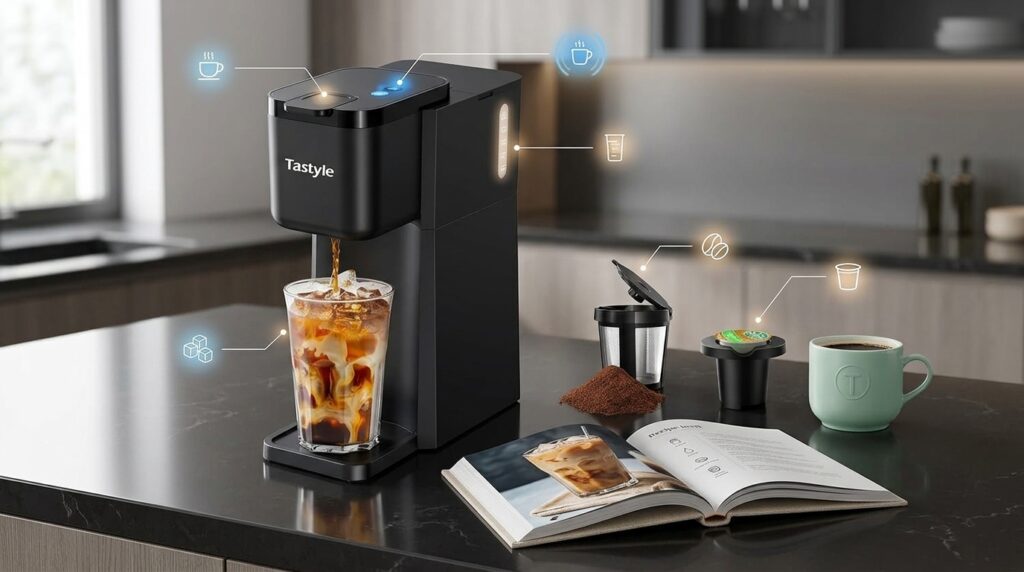
One of the defining characteristics of this model is its ability to work with both compatible pods and loose ground coffee. This flexibility matters more than it might initially appear. Pod systems offer convenience and consistency—you open, insert, and brew. Ground coffee offers better economics over time, more variety in bean selection, and the satisfaction of controlling the entire process from bean to cup.
The ability to switch between these methods means the device isn’t locked into a single coffee ecosystem. This becomes particularly relevant if you’re someone whose preferences or circumstances might change, or if you travel to places where one format is more readily available than another.
Brew Size Range
The device offers brewing capacity between 6 and 14 ounces. This range covers most common coffee cup sizes. A 6-ounce brew suits those who prefer concentrated, smaller servings or espresso-style cups. The 14-ounce option accommodates standard large mugs, allowing for a more substantial serving without requiring multiple brew cycles.
This adjustability means different household members can get their preferred serving size, or the same person can vary their portion based on time of day or need. The flexibility proves useful in situations where multiple people with different preferences share a device.
Included Recipe Book
The inclusion of a recipe book adds educational value. Single-serve coffee makers can do more than simply brew regular coffee. They can heat water for tea, create ice coffee, support cold brew experiments, or facilitate coffee-based beverages. A recipe book provides starting points for people interested in exploring beyond standard black coffee.
Portability Consideration
The device’s compact size represents a deliberate design choice. Portability matters differently depending on context. For an RV, a smaller footprint means more valuable counter and storage space. For travel, it means fitting in a suitcase or bag without excessive bulk. For a dorm room or small office, it means the device doesn’t dominate the available space.
Practical Applications and Usage Scenarios
Home Office and Remote Work
The shift toward remote and hybrid work has changed how people structure their workdays. Without a commute to an office with accessible coffee, home-based workers often establish their own beverage routines. A compact single-serve maker allows for fresh coffee whenever needed without the commitment of a full pot that might sit and become stale.
For people who work from home, having immediate access to hot water also enables tea, instant beverages, or other hot drinks during the workday. The device can occupy a small corner of a desk or a shelf without creating clutter.
Travel and Temporary Housing
The travel use case significantly shapes the value proposition. Vacation rentals, hotel rooms, temporary work assignments, and extended visits to friends or family often lack reliable coffee options. Bringing a compact brewer means consistent access to your preferred beverage regardless of accommodation.
Air travel poses challenges, but someone driving or taking ground transportation can pack a portable single-serve maker into luggage. For road trips and extended drives, having your own coffee capability reduces dependence on rest stop options or the expense of frequent café purchases.
RV and Nomadic Living
People who live full-time or part-time in RVs face specific constraints. Space is precious, and water access may vary. A compact maker addresses the space concern. Its relatively low water consumption matters when water supply is limited or when wastewater disposal requires planning.
The RV community often appreciates solutions that work independently without relying on external infrastructure, which a standalone coffee maker provides.
Student Housing and Dormitories
Dorm rooms typically offer minimal kitchen facilities. A compact single-serve brewer represents an accessible caffeine solution for students. It requires less space than a full coffee maker, uses standard electrical outlets, and doesn’t require extensive plumbing.
The device can support study sessions, morning routines, and social moments without the complexity of larger equipment. For students on tight budgets, the ability to brew ground coffee makes per-cup costs lower than continuous café visits.
Small Office Spaces
Not all offices have break rooms with quality coffee facilities. Small businesses, home-based consultants, or shared office spaces sometimes lack communal coffee options. A personal single-serve maker lets professionals maintain their preferred beverage without relying on office infrastructure.
Extended Stays and Transitions
When people move between places—after a job relocation, during home renovation, in between housing situations—a portable coffee maker provides continuity. It’s something familiar and functional during periods of change.
Technical Specifications and Operating Mechanics
How Single-Serve Pod Systems Work
When using compatible pods, the brewing mechanism is straightforward. The pod sits in a designated chamber, water heats to brewing temperature, and pressurized water forces through the pod’s punctured bottom into your cup. This process typically takes between two and four minutes, depending on the brew size and water temperature.
Pod systems offer consistency because the coffee amount and grind are pre-measured and sealed. However, they work best with pods designed for the specific device. Compatibility can vary, so it’s worth confirming which pod systems are fully compatible.
Ground Coffee Brewing
When using ground coffee, the device usually includes a filter basket or chamber. You add ground coffee to the basket, add water to a reservoir, select your brew size, and initiate the cycle. The quality of ground coffee significantly impacts the result. Finely ground coffee may cause over-extraction, while coarsely ground coffee may result in weak coffee. Medium grind typically works best.
The amount of coffee used affects strength and flavor. Experimentation with ratios helps identify preferences. Generally, a standard brewing guideline suggests about one to two tablespoons of ground coffee per six ounces of water, but personal preference is ultimately the deciding factor.
Water Requirements
The device needs access to water, which in most settings means using tap water or filtered water. In places where tap water quality is questionable, using bottled or filtered water may improve results. The water should be potable and reasonably clean. For best performance and device longevity, some users prefer filtered water to reduce mineral buildup.
Electrical Needs
As an electrical appliance, the device requires a standard outlet. Wattage consumption is moderate compared to larger appliances. This consideration matters primarily for travel scenarios, where outlet availability or surge protection may require planning.
Who This Device May Serve Well
The Mobile Professional
People whose work requires frequent travel benefit from consistent access to preferred beverages. A compact maker supports this lifestyle more effectively than attempting to source coffee in unfamiliar locations.
The Space-Conscious Individual
Anyone living in compact quarters—apartments, tiny homes, dorm rooms, RVs—faces genuine space constraints. A device measuring just a few inches across the countertop appeals to people who prioritize functionality without bulk.
The Coffee Enthusiast with Limited Space
Not all coffee enthusiasts have room for multiple brewing devices. Someone interested in exploring different beans or brewing methods can use a compact single-serve maker as their primary brewing tool without sacrificing much space.
The Indecisive Household
When household members prefer different beverages—some coffee, some tea, some hot chocolate—a single-serve device allows each person to make their preference without preparing multiple cups. No one gets left with stale coffee or the burden of brewing for others.
The Budget-Conscious Traveler
Travelers can reduce expenses by brewing their own coffee instead of purchasing from cafés or hotel services. The device cost is recouped through savings relatively quickly, especially for frequent travelers.
The Tea and Coffee Drinker
Someone who enjoys both tea and coffee benefits from a device that heats water efficiently for both purposes. Rather than dedicated equipment for each beverage, one compact device handles multiple needs.
The Environmental Conscious User with Pod Preference
While pods generate waste concerns, using compatible pods is still more environmentally efficient than disposable cups from café visits. The ability to use reusable pods or ground coffee offers options for reducing environmental impact.
Important Considerations Before Purchasing
Space and Counter Real Estate
While compact, the device still requires functional counter or shelf space. Measure your available area and consider whether the device can remain set up or requires storing elsewhere. Accessibility matters—if it’s stored away, you’re less likely to use it regularly.
Water Quality in Your Location
Hard water areas may require more frequent cleaning to prevent mineral buildup. If your tap water quality is poor, budget for filtered water. Both factors affect maintenance requirements and long-term device performance.
Pod Compatibility and Availability
If you plan to use pods, research which brands and types are compatible. Availability varies geographically. In some areas, compatible pods are widely available at reasonable prices. In others, you might struggle to find options or pay premium prices. This dramatically affects the practical cost of operation.
Electricity and Outlet Availability
The device requires a functioning outlet. In some situations—certain travel destinations, remote locations, or during power outages—electricity might not be available. Consider your specific use cases and whether electricity reliability is guaranteed.
Brew Quality Expectations
A compact single-serve maker won’t produce coffee identical to higher-end brewing methods or commercial espresso machines. It produces serviceable coffee for most people but isn’t designed to compete with specialty coffee equipment. Setting appropriate expectations helps avoid disappointment.
Maintenance and Cleaning
Regular cleaning extends device life and maintains brew quality. Mineral buildup can reduce performance over time. The instruction manual should specify cleaning frequency and methods. Budget time for periodic maintenance, especially in hard water areas.
Noise Level
Some single-serve machines are noisier than others. If brewing in early morning hours when others are sleeping, or in quiet office environments, noise level might matter more than for people unconcerned about sound.
Cup Placement and Drip Management
With smaller devices, cup placement under the brew outlet requires careful positioning. Misaligned cups result in spills. Consider whether the device’s design accommodates your preferred cup sizes and shapes.
General Product Category Comparisons
Single-Serve Makers vs. Full-Size Drip Brewers
Full-size drip brewers make larger quantities but occupy significantly more space and use more water per cup when accounting for the water absorbed by grounds. They suit households where multiple people drink coffee simultaneously. Single-serve makers suit individuals or small groups who brew on an as-needed basis.
Single-Serve Makers vs. Pour-Over Methods
Pour-over brewing offers excellent control and typically produces higher-quality results but requires active participation in each brew. Single-serve makers offer convenience at a slight quality trade-off. Pour-over methods produce less waste but require more attention and skill.
Pod-Based vs. Ground Coffee Brewing
Pods provide convenience, consistency, and speed but generate waste and lock you into available pod varieties. Ground coffee offers flexibility, typically costs less per cup over time, and produces less waste but requires more involvement in the brewing process. The best choice depends on your priorities regarding convenience, cost, variety, and environmental impact.
Single-Serve Makers vs. Portable Electric Kettles
An electric kettle heats water for pour-over, traditional brewing, tea, and other uses but requires additional equipment for coffee brewing. A single-serve maker integrates the heating and brewing functions but is less versatile. Kettles cost less but offer fewer features.
Compact Single-Serve vs. Travel Mugs with Built-in Brewers
Some insulated travel mugs include built-in brewing capabilities. These integrate brewing and serving but often produce inferior results and limit capacity. Dedicated single-serve makers typically brew better coffee into your choice of cup.
Frequently Asked Questions
Q: How long does a typical brewing cycle take?
A: Most single-serve coffee makers complete a brew cycle in two to four minutes, depending on the brew size and water temperature. Larger brews generally take slightly longer than smaller ones.
Q: Can I use any coffee grounds in the device?
A: Most devices work with any coffee grounds, but grind size affects results. Medium grind typically works best. Too-fine grounds can cause overflow or weak extraction, while overly coarse grounds produce weak coffee.
Q: Is the device loud during operation?
A: Noise levels vary by model. Many are reasonably quiet, similar to a microwave or electric kettle. If noise sensitivity is important, researching specific model reviews helps.
Q: What if I don’t have access to hot water immediately?
A: The device must heat water, which takes time. If immediate hot water is needed, it won’t help. In situations where you need instant hot water, a thermos filled before departing works better.
Q: Can the device brew other hot beverages besides coffee?
A: Yes, it can heat water for tea, instant cocoa, instant oatmeal, or any beverage requiring hot water. The included recipe book likely offers suggestions for non-coffee uses.
Q: How often should I clean the device?
A: Daily rinsing after use is recommended. Deeper cleaning, including descaling, should occur based on water hardness—monthly for soft water, more frequently for hard water. Refer to the instruction manual for specific guidance.
Q: What’s the warranty coverage?
A: Warranty details vary by model and retailer. Check product documentation or contact the manufacturer for specific warranty information, coverage terms, and conditions.
Q: Can I brew cold coffee directly?
A: The device brews hot coffee. Cold beverages require brewing hot coffee and then cooling it, either by pouring over ice or allowing it to cool before drinking.
Q: Is the device suitable for camping or off-grid use?
A: It requires electricity, so it’s only suitable for camping with reliable electrical access. For true off-grid camping, alternative brewing methods (pour-over, French press, instant coffee) work better.
Q: How does it compare to coffee from coffee shops?
A: Home-brewed coffee, regardless of method, typically doesn’t match the quality of coffee from specialty shops with professional equipment, fresh-roasted beans, and skilled baristas. It represents a practical alternative for convenience and cost, not a replacement for café quality.
Q: Can I brew directly into a travel mug?
A: Depending on the device’s design and travel mug height, this might be possible. However, the brew outlet positioning may not align with all travel mugs. Using a regular cup and then pouring into your travel mug ensures compatibility.
Q: What if the device breaks during travel?
A: Travel scenarios require contingency planning. Knowing how to source replacement parts or alternative brewing methods at your destination reduces stress. Travel insurance that covers electronics may provide coverage, depending on the policy.
Q: Does the device require special descaling solutions?
A: Some devices can use commercial descaling solutions, while others work with vinegar-based solutions. The manual specifies what’s safe for your particular model. Using inappropriate cleaning solutions can damage components.
Q: How much does it cost to operate?
A: Operating costs depend on whether you use pods (typically higher cost per cup) or ground coffee (typically lower cost per cup), as well as water and electricity consumption. Both are relatively modest compared to café purchases.
Practical Tips for Optimal Use
Starting with water quality: Use filtered water if your tap water is hard or contains strong chlorine. This single step significantly improves brew quality and reduces maintenance.
Experimenting with grind size and amount: If using ground coffee, slightly adjust grind size and coffee quantity until you find your preferred strength and flavor profile. What works for one person might not suit another.
Establishing a cleaning routine: Set a regular cleaning schedule rather than waiting until performance degrades. Preventive maintenance costs less in time and money than addressing problems after they develop.
Keeping the recipe book accessible: Use the included recipe book as a starting point for trying different beverages. Single-serve makers enable experimentation without the commitment of making a full pot.
Testing pod compatibility before relying on it: If you plan to use pods during travel, test compatibility in advance. Don’t assume all single-serve pods work with your device.
Planning for water access: When traveling, identify reliable water sources. Bring bottled water if tap water reliability is questionable at your destination.
Packing properly for transport: If taking the device while traveling, pack it securely to prevent damage. Protect it from excessive moisture and extreme temperatures.
Conclusion
The Tastyle Mini Single Serve Hot and Iced Coffee Maker represents a practical solution for specific living situations and lifestyle needs. It’s not the right choice for everyone, nor is it designed to be. Its value depends entirely on how well it aligns with your particular circumstances.
For someone living in a dorm room, traveling frequently, managing an RV, or working in a small space, a compact single-serve maker can provide genuine daily value. For someone with ample counter space who enjoys brewing coffee for multiple people simultaneously, a larger device might serve better.
The dual capability of handling both pods and ground coffee adds flexibility. The brew size range accommodates different preferences. The compact footprint addresses genuine space constraints in many living situations.
What matters most is honest assessment of your needs. Will you actually use this device regularly? Does your living situation support the electricity and water requirements? Will you maintain it properly? Can you source compatible pods or quality ground coffee where you live?
If these questions align with a definitive yes, the device warrants serious consideration. If several answers are uncertain or negative, exploring alternatives might prove more practical.