Introduction
The morning ritual of brewing coffee has transformed significantly over the past two decades. What was once a process requiring a full-sized drip machine and the patience to brew an entire pot has evolved into something far more flexible and personalized. Today’s coffee drinkers have options that cater to individual preferences, time constraints, and living situations. The single-serve coffee maker represents one of these modern solutions, addressing the needs of people who live alone, maintain unconventional schedules, or simply want more control over their daily caffeine intake.
The concept of single-serve brewing emerged from a desire to reduce waste, customize flavor profiles, and streamline the morning routine. Rather than discarding half a pot of coffee because you’re the only one home, or waiting for a full pot to brew when you’re in a hurry, single-serve machines offer a different approach. They’re designed to brew exactly one cup at a time, with flexibility in portion sizes and brewing methods.
For anyone considering this type of appliance, understanding the various options available and how they fit into different lifestyles is essential. This guide explores the features, uses, and considerations around single-serve coffee brewing, with particular attention to compact models designed for flexibility.
Understanding Single Serve Coffee Brewing Technology
Before diving into specifics about any particular model, it helps to understand how single-serve coffee makers work and why they’ve become increasingly popular. These machines operate on a straightforward principle: water is heated to the appropriate temperature, passed through coffee grounds or a pod, and delivered into a cup in a matter of minutes.
Single-serve machines typically offer two primary brewing methods. The first involves coffee pods—pre-packaged, sealed containers filled with ground coffee. These pods are convenient because they eliminate the need for measuring, and they maintain freshness before use. The second method uses loose grounds, where users add their preferred amount to a filter basket, much like traditional coffee makers but in a much smaller capacity.
The advantage of machines that accommodate both methods lies in flexibility. Some days you might want the convenience of a pod; other days you might prefer the cost savings and customization that comes with loose grounds. Understanding this distinction helps explain why certain machines appeal to different users.
The brewing time for single-serve machines is typically quite rapid—often between three and five minutes from start to finish. This speed comes from the machines’ compact size and the smaller volume of water that needs to be heated. For people with busy mornings or those who work from home and value efficiency, this represents a meaningful quality-of-life improvement compared to larger brewing systems.
Key Features of Modern Single Serve Coffee Makers
When evaluating compact single-serve coffee makers, several features consistently matter to users. Understanding what these features do and why they matter helps you determine whether a particular model aligns with your needs and preferences.
Brew Size Options
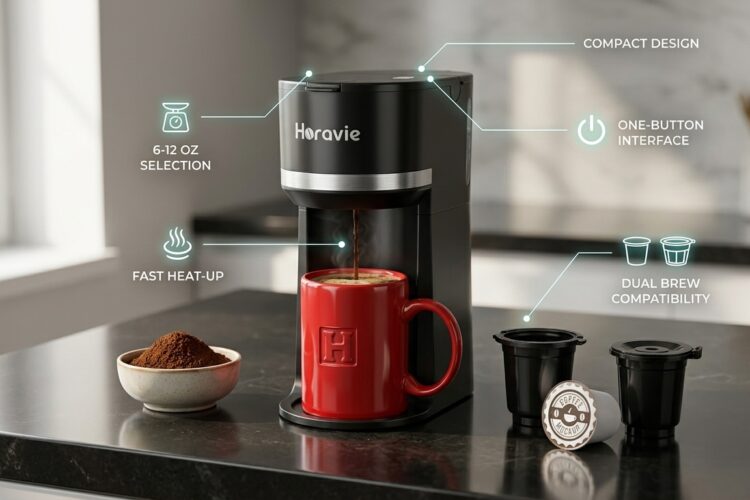
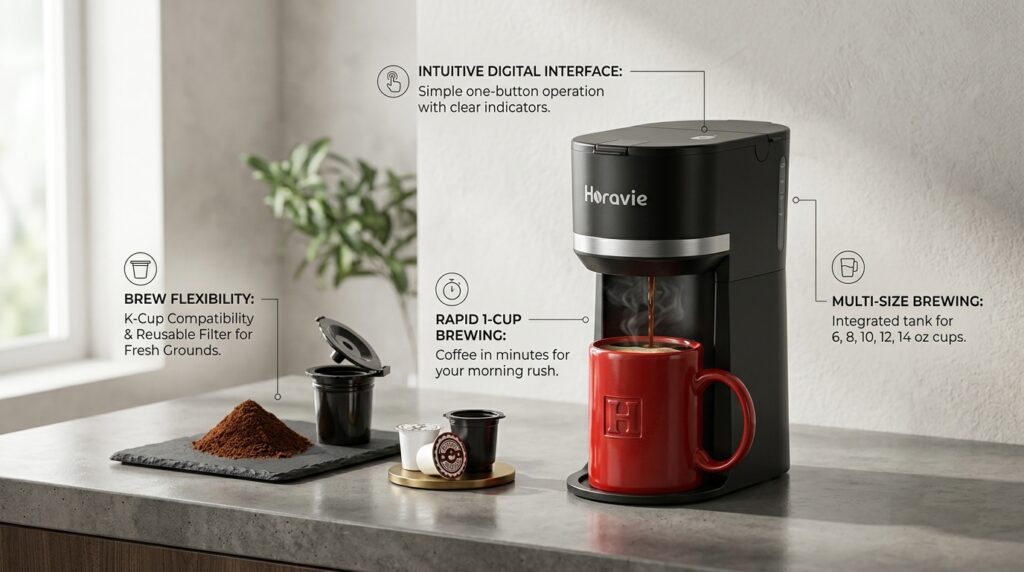
One of the most practical considerations in single-serve brewing is the ability to control how much coffee you’re making. Some people drink only a small morning cup, while others refill their mug multiple times. Machines that offer variable brew sizes—typically ranging from six to twelve ounces—provide flexibility without forcing you to commit to a specific volume every time. A six-ounce serving might suffice for someone drinking espresso-strength coffee or enjoying a quick pick-me-up, while twelve ounces accommodates those who prefer a longer, more leisurely cup. The ability to choose this on a per-brew basis means one machine can serve different purposes on different days.
Compatibility with Multiple Brewing Methods
The ability to work with both coffee pods and loose grounds represents a significant practical advantage. This dual compatibility means you’re not locked into one ecosystem or purchasing pattern. If you run out of pods, you can reach for your favorite loose-ground coffee. If you’re traveling or busy, pods provide grab-and-go convenience. This flexibility also affects long-term costs—loose grounds are generally more economical for regular users, while pods offer time savings and consistency.
Simple Operation
Single-serve machines designed with straightforward operation in mind typically feature minimal button controls and intuitive displays. Some models employ just one button for brewing, with pre-programmed settings that handle different variables automatically. This simplicity appeals to early-morning users who haven’t had their coffee yet, travelers who prefer not to figure out complicated machinery, and anyone who appreciates appliances that do one thing well without unnecessary complexity.
Compact Design
For people in apartments, dorms, small kitchens, or RVs, size matters considerably. A truly compact machine takes up minimal counter space and can even fit into a cabinet or be transported easily. Portability extends the usefulness of these machines—they can move between a home office, a bedroom, or travel accommodations. Weight and footprint become practical considerations for anyone without unlimited kitchen real estate.
Heating Speed
The time between deciding you want coffee and actually holding a hot cup affects how useful a machine is in daily life. Faster heating mechanisms and efficient water circulation mean less waiting time. For people who are always rushing or those who work from home and want quick beverage breaks between tasks, heating speed directly impacts convenience.
Water Reservoir Capacity
While single-serve machines focus on individual cups, most include water reservoirs that hold enough liquid for multiple brews before refilling. A reservoir that holds several cups’ worth of water means you don’t have to refill after every use. This becomes more important if you drink multiple cups daily or if several people in a household use the machine sequentially.
How Single Serve Coffee Makers Fit Into Different Daily Routines
The practical applications of single-serve coffee makers extend beyond simply providing a morning beverage. Understanding the various scenarios where these machines prove useful helps explain their popularity across different demographic groups and living situations.
Home Office Environments
The shift toward remote work has significantly changed how many people approach beverages throughout their workday. Someone working from home might brew several cups over the course of the day—a quick cup before settling into work, another mid-morning, perhaps one in the afternoon. A single-serve machine accommodates this pattern perfectly, brewing fresh coffee as needed without maintaining a full pot that grows stale. The compact size also means a home office can have dedicated coffee capability without consuming significant desk space.
Early Morning Routine
Many people live alone or wake before their household members. When only one person needs coffee at a given time, a single-serve machine eliminates the waste inherent in brewing full pots. You get fresh coffee at exactly the time you want it, in exactly the amount you’ll drink. This can influence how quickly you get out the door during hectic mornings.
Apartment and Small Space Living
Urban dwellers, students, and anyone living in smaller homes benefit from appliances that maximize functionality while minimizing footprint. A single-serve machine can sit on a nightstand, a dorm desk, or a small kitchen corner, making quality coffee accessible in situations where full-sized appliances would be impractical.
Travel and Temporary Stays
One of the more interesting use cases for compact single-serve machines involves travel. Hotels provide coffee options, but they’re often mediocre. Someone traveling frequently for work might pack a lightweight, compact coffee maker to ensure access to quality coffee wherever they go. The machine becomes a small investment in consistent quality and comfort across different environments. These machines also appeal to people who maintain seasonal residences, RVs, or cabins where a permanent full-sized appliance isn’t practical.
Social and Guest Scenarios
Even when someone lives alone, guests occasionally arrive. Rather than brewing an entire pot and hoping they’ll drink enough to make it worthwhile, a single-serve machine lets you brew exactly what’s needed. This applies to casual coffee breaks with friends, colleagues visiting a home office, or unexpected visitors during the workday.
Trying Different Coffees Without Commitment
Coffee enthusiasts often want to experiment with different beans, roasts, and origins. A single-serve machine that accommodates loose grounds means you can try a small amount of something new without committing to using an entire bag if you don’t enjoy it. This experimental approach to coffee appeals to people developing their preferences or simply enjoying variety.
Who Single Serve Coffee Makers Serve Well
While these machines have broad appeal, they prove particularly valuable for specific groups of people. Recognizing whether you fall into one of these categories can help you evaluate whether this type of appliance fits your circumstances.
Solo Living Individuals
People who live alone represent a substantial portion of single-serve machine users. When you’re the only person drinking coffee, brewing a full pot creates waste and ensures most of it will go stale before consumption. A single-serve approach eliminates this inefficiency entirely. It also means your machine takes up minimal space and serves a clear purpose without redundancy.
Busy Professionals
People with demanding schedules value efficiency and convenience. The combination of fast brewing, minimal cleanup, and the ability to have coffee ready quickly appeals to those who optimize their mornings or need quick pick-me-ups throughout the day. Remote workers, in particular, have found these machines indispensable for maintaining productivity and comfort in home office environments.
Coffee Enthusiasts
Paradoxically, serious coffee people sometimes appreciate single-serve machines despite their different approach from traditional brewing methods. For those who like experimentation and trying different beans or roasts, a single-serve model that accepts loose grounds enables sampling without waste. The ability to brew one cup of this origin, then one cup of that origin, appeals to curious palates.
Health Conscious Consumers
Some people have reduced their caffeine intake and might drink only one or two cups of coffee daily, or sometimes none. A single-serve machine ensures they’re not maintaining a pot of coffee that becomes waste if they decide not to drink it. It also makes it easier to consciously moderate consumption rather than reflexively refilling a readily available pot.
Students and Transient Populations
College students, trainees in temporary housing, and people between permanent residences often lack the kitchen setup or lease permissions to install permanent appliances. Compact single-serve machines fit into dorm rooms, shared kitchens, and temporary apartments without complication or landlord pushback. They’re also affordable enough that they’re not a major investment if you can’t take them with you when circumstances change.
People with Space Constraints
Beyond just small homes, anyone with limited kitchen counter space benefits from an appliance with a small footprint. This might include RV dwellers, people in very small urban apartments, or those who already have multiple appliances competing for limited space. A truly compact machine can even live in a cabinet and come out only when needed.
Travelers and Remote Workers
Modern professionals increasingly work from various locations—coffee shops, co-working spaces, hotels, or different rooms within their home. A portable coffee maker eliminates dependence on whatever beverage options exist in each location. For consistent quality and comfort, a small personal machine becomes a valuable travel companion.
Important Considerations When Evaluating Single Serve Options
While single-serve coffee makers offer genuine advantages, they’re not universally superior to all other brewing methods. Several practical considerations matter when deciding whether this approach suits your situation.
Ongoing Supply Costs
If you choose a machine that relies primarily on pods, you’ll need to factor in the cost of purchasing pods regularly. While convenient, this expense exceeds what you’d pay per cup if using loose grounds. If you use a model that primarily uses loose grounds, your supply costs resemble traditional coffee makers but may involve buying smaller quantities more frequently. Understanding your likely brewing patterns and doing basic math on supply costs prevents surprises later.
Environmental Considerations
Coffee pods have generated considerable discussion regarding environmental impact. While many are now recyclable or compostable, this depends on your local recycling infrastructure and your willingness to handle them appropriately. If minimizing environmental footprint is important to you, a machine that works primarily with loose grounds and reusable filters represents a better choice than one focused exclusively on single-use pods.
Maintenance Requirements
Single-serve machines need regular cleaning to prevent mineral buildup and mold growth in reservoirs and brewing components. This means periodic deep cleaning with vinegar or descaling solutions, plus regular filter or pod basket emptying. The maintenance burden is generally lighter than for larger machines but shouldn’t be ignored. Understanding the specific maintenance requirements of any machine you’re considering ensures you’re comfortable with what’s involved.
Learning Curve
Most single-serve machines are designed for simplicity, but understanding the optimal technique for your specific model does matter. This might include how firmly to insert a pod, how much water to add, or which settings work best for different coffee types. The upfront learning curve is typically minimal, but it exists.
Beverage Variety
Some single-serve machines can accommodate diverse beverages beyond coffee—hot water for tea, milk frothers for specialty drinks, or adjustable temperatures. Others are singularly focused on coffee brewing. If you want a machine that does multiple things, checking specific capabilities matters. If you only want coffee, unnecessary features are just complexity you don’t need.
Noise Levels
Some machines operate nearly silently, while others produce noticeable grinding, heating, or brewing sounds. For people sensitive to noise or living in close quarters, checking sound output during operation is worth considering. This matters particularly for early morning brewing or if your machine is near sleeping areas.
Warranty and Support
Like any small appliance, single-serve machines can develop problems. Understanding what warranty coverage includes, how easily you can obtain replacement parts, and whether customer support is accessible provides peace of mind. Some manufacturers are more responsive to customer issues than others.
Comparing Single Serve Approaches in the Broader Coffee Landscape
Understanding how single-serve machines compare to other common brewing methods helps clarify their place in the coffee world and whether they suit your needs better than alternatives.
Traditional Drip Coffee Makers
Standard drip machines brew full pots, making them better for households with multiple coffee drinkers or for single people who drink several cups daily and don’t mind drinking the same brew throughout the morning. They’re typically more affordable upfront and can be very reliable. However, they waste coffee if you don’t drink the entire pot and take up more counter space. Single-serve machines eliminate waste and occupy less space but cost more per-cup when using pods and take longer between brews if multiple people are using the machine sequentially.
French Press and Pour Over Methods
These manual brewing methods offer excellent control over flavor and water temperature. They appeal to coffee enthusiasts and people who enjoy the ritual of brewing. However, they require more hands-on attention, more time investment, and more cleanup than automatic single-serve machines. Manual methods work best for people who want to slow down and focus on the brewing process itself, while single-serve machines prioritize speed and convenience.
Espresso Machines
Dedicated espresso machines produce concentrated shots for drinks like lattes and cappuccinos. They require skill to operate well and significant counter space. Single-serve machines don’t produce true espresso, but some can create strong concentrated brews or work with espresso-type pods. For people who primarily want traditional coffee rather than espresso-based drinks, single-serve machines offer sufficient functionality at a fraction of the cost and complexity.
Instant or Cold Brew Concentrates
For maximum convenience, instant coffee or cold brew concentrates require just hot or cold water and minimal equipment. However, many people find the flavor doesn’t match freshly brewed options. Single-serve machines offer more convenience than traditional methods while producing better-tasting results than instant alternatives.
Frequently Asked Questions About Single Serve Coffee Makers
How long does it take to brew a cup?
Most single-serve machines complete brewing within three to five minutes from the moment you start them. This includes heating water and passing it through the coffee grounds or pod. Some faster models might finish in closer to three minutes, while others taking slightly longer won’t materially change your morning routine. The exact time depends on how much water is already in the machine and whether you use pods or loose grounds.
Can I use any brand of coffee pods?
This depends on your specific machine. Some models accept only one particular brand of pod, while others are compatible with multiple brands. Many machines designed for broad compatibility work with common pod standards. Before purchasing, checking what pod brands your machine accommodates prevents frustration later. Alternatively, machines that work primarily with loose grounds avoid this limitation entirely.
What if I run out of pods?
If your machine accepts loose grounds in addition to pods, this isn’t a problem—you simply switch to grounds. If your machine only works with pods, you’d need to switch to an alternative brewing method until you obtain new pods. This is why dual-method machines appeal to people who want flexibility and self-sufficiency.
How often should I descale the machine?
Most manufacturers recommend descaling every three to six months, depending on your water’s mineral content. Hard water requires more frequent descaling than soft water. Descaling involves running a descaling solution through the machine to remove mineral deposits. The specific process varies by machine, but manufacturers typically provide clear instructions.
Can I brew different sizes with the same machine?
Machines with multiple brew size options let you choose your volume before brewing. If your machine offers sizes ranging from six to twelve ounces, you’d select your preferred size, and the machine adjusts water amount and brewing time accordingly. This flexibility accommodates different drinking preferences on different days.
Is it more expensive than traditional coffee makers?
Initial purchase price varies, but single-serve machines are typically more expensive upfront than basic drip machines. However, if you’re comparing against brewing waste or purchasing coffee out regularly, the economics shift. The per-cup cost depends heavily on whether you use loose grounds (cheaper) or pods (more expensive). For solo drinkers, reduced waste can offset higher upfront costs over time.
How much counter space do single serve machines actually require?
Compact single-serve machines typically have a footprint of roughly 12 inches wide by 8 inches deep—similar to a microwave but smaller. Height varies but is usually between 10 and 14 inches. This is substantially smaller than traditional coffee makers and well within the space constraints of most kitchens, home offices, and even some bedside tables.
Do these machines work well for travel?
Compact portable models travel reasonably well, though you’ll need access to hot water or electricity depending on the model. Hotels typically provide hot water, or you can use a small electric kettle. The main considerations are whether the machine can survive being packed in luggage and whether you’re comfortable carrying it. Many travelers do this successfully, particularly those who travel frequently for work.
Can I adjust strength and temperature?
This varies by model. Some machines offer strength settings that adjust brewing time or water amount. Temperature is typically fixed to optimal brewing temperature, though this is rarely something users need to adjust. Machines with multiple settings offer more customization, while simpler models prioritize ease of use over extensive adjustment options.
What maintenance does a single serve machine actually need?
Regular maintenance involves emptying used pods or grounds after each use, rinsing the basket or pod holder, and periodically cleaning the water reservoir. Deep cleaning with a descaling solution every few months removes mineral deposits. Beyond this, there’s little to maintain. It’s notably simpler than maintaining an espresso machine or many other coffee appliances.
Making the Most of Your Single Serve Coffee Setup
Once you have a single-serve machine, a few practices optimize your experience. Storing your loose grounds or pods in a cool, dry place preserves flavor and freshness. Using filtered water, when possible, reduces mineral deposits and improves taste. Experimenting with different brands, roasts, and brewing techniques helps you discover preferences you might not have otherwise identified.
The beauty of single-serve brewing lies in its flexibility. You’re not committed to one brewing method or one coffee type. Tomorrow you might brew something completely different from today without the waste that would come with a larger system. This freedom appeals to people who enjoy variety and customization in their daily routines.
Conclusion
Single-serve coffee makers represent a meaningful evolution in how people approach their daily coffee consumption. They address real problems: waste from full pots, space constraints in modern living, and the desire for flexibility in a personalized world. They’re not superior to all other brewing methods in every situation, but they excel for their intended purposes and user groups.
The Horavie model, with its dual compatibility for both pods and loose grounds, compact design, and straightforward operation, exemplifies what modern single-serve machines can offer. The ability to choose between convenient pods and economical loose grounds, combined with the flexibility to select brew sizes from six to twelve ounces, means the machine can adapt to different needs and preferences without forcing you into one particular usage pattern.
Whether you’re considering single-serve brewing for the first time or evaluating specific models, the key is matching the machine’s capabilities to your actual usage patterns and living situation. Someone living alone in a small apartment with inconsistent daily schedules has different needs than someone who lives with multiple coffee drinkers. Understanding your specific situation and what matters most to you—whether that’s cost, convenience, environmental impact, or space savings—guides you toward options that will genuinely improve your daily life rather than becoming unused kitchen clutter.
The coffee you enjoy is personal, and the way you prepare it should reflect your preferences and circumstances. Modern single-serve options have evolved significantly from their earlier iterations, offering genuine flexibility and capability. If this approach aligns with your lifestyle, exploring the available options can lead to a genuine improvement in your daily routine.